
A unified platform for hydrogen production and power generation
VoltaCera develops solid oxide cell technologies for both electrolysis (SOEC) and power generation (SOFC), based on a shared electrolyte-supported ceramic cell platform.
Both technologies are built on an electrolyte-supported ceramic cell (ESC) platform, enabling:
Our unified platform allows partners to develop hydrogen, power, and e-fuel systems using a common, proven cell architecture.
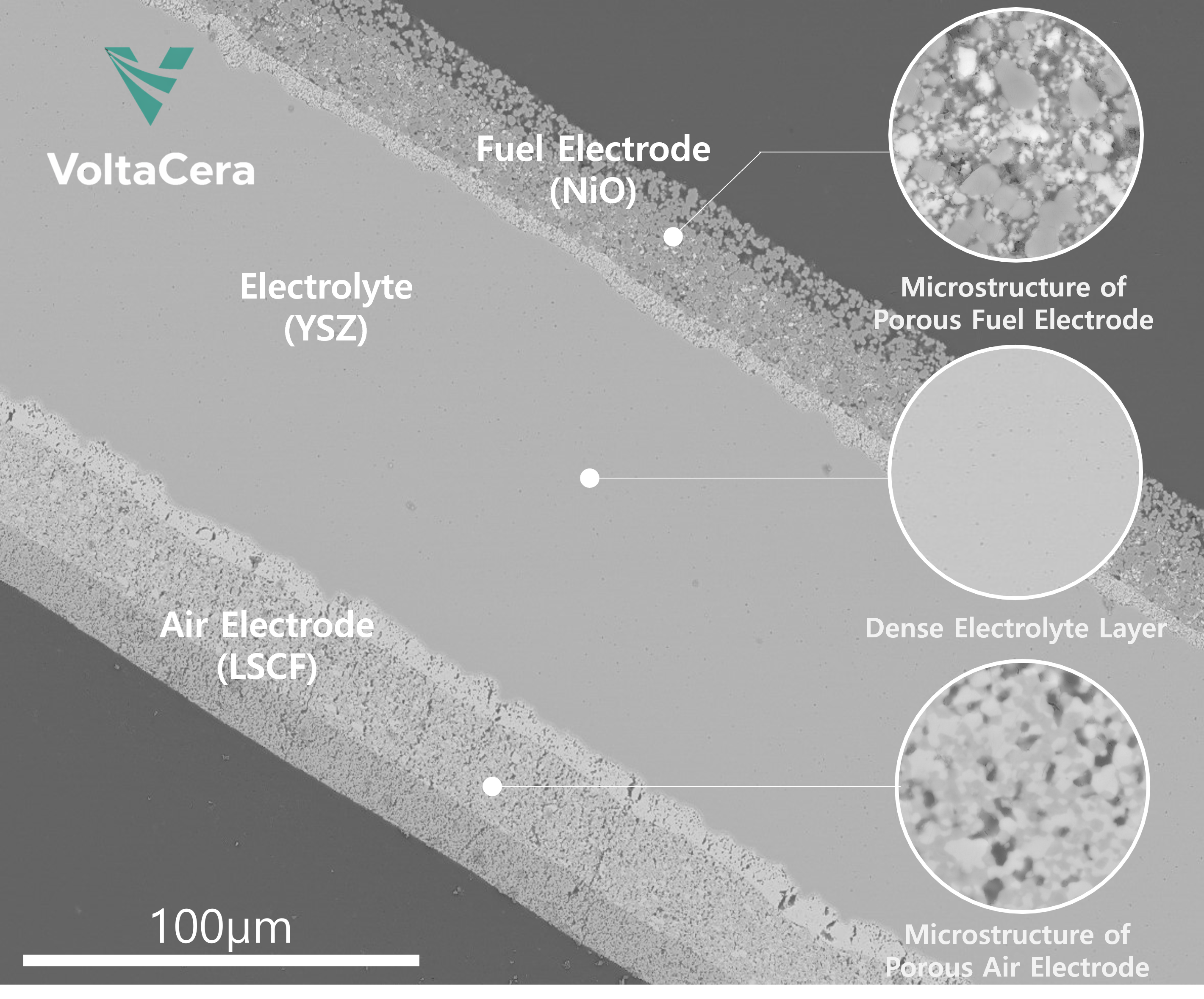
At the core of VoltaCera’s technology is an electrolyte-supported ceramic cell (ESC) architecture designed for long-term durability and scalable manufacturing.
Built for long lifetime operation
Electrolyte-supported cells offer inherent structural robustness compared with electrode-supported designs.
Key advantages:
ESC architecture enables reliable multi-year operation in demanding industrial environments.
Optimized for scalable manufacturing
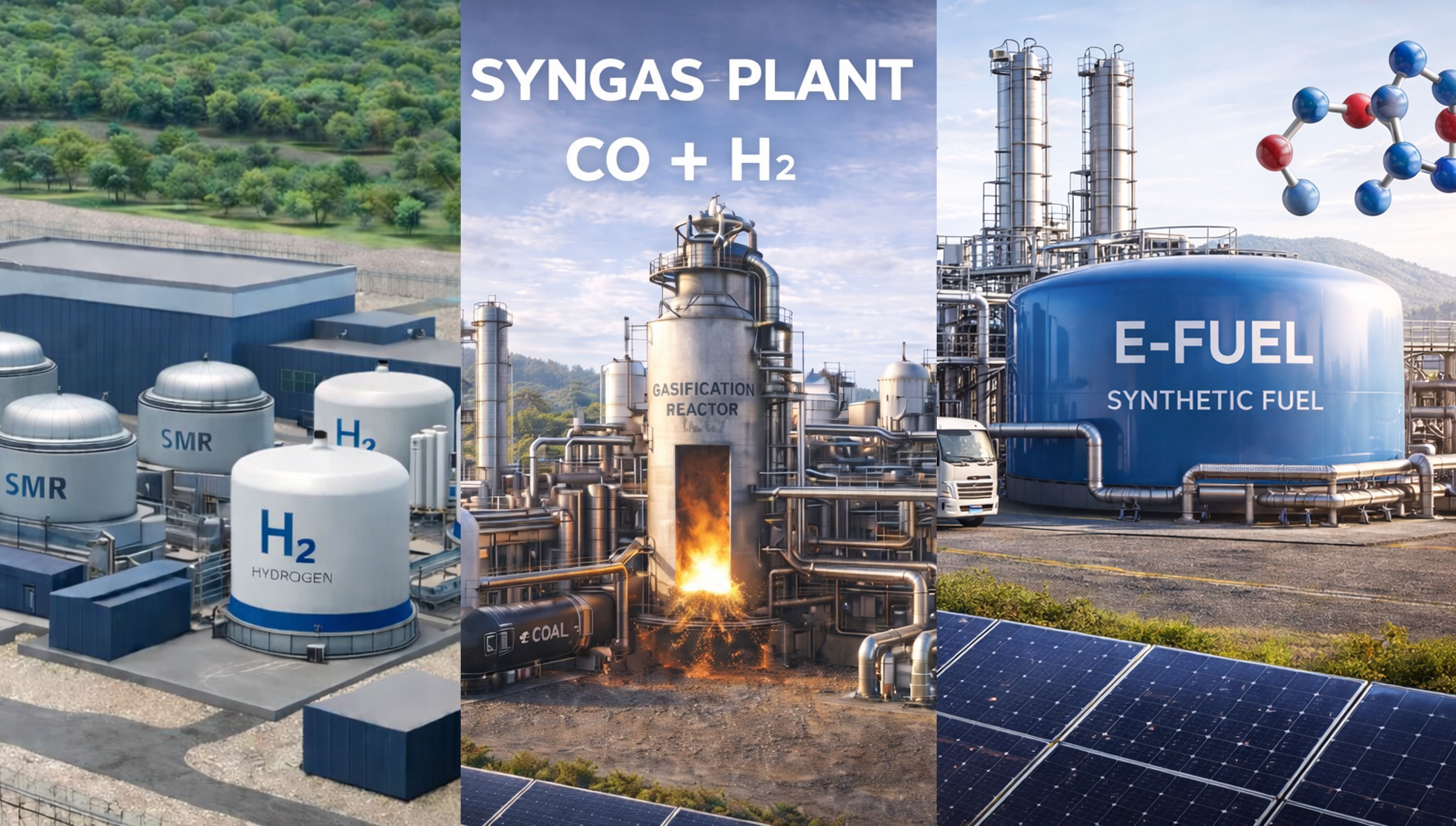
VoltaCera’s SOEC technology enables high-efficiency hydrogen and syngas production using high-temperature steam electrolysis.
Our ESC platform provides key advantages for long-term SOEC operation.
Why ESC for SOEC?
High-temperature electrolysis requires cells that can operate reliably under demanding conditions.
The ESC architecture offers:
This makes ESC particularly well suited for industrial-scale hydrogen production.
Applications
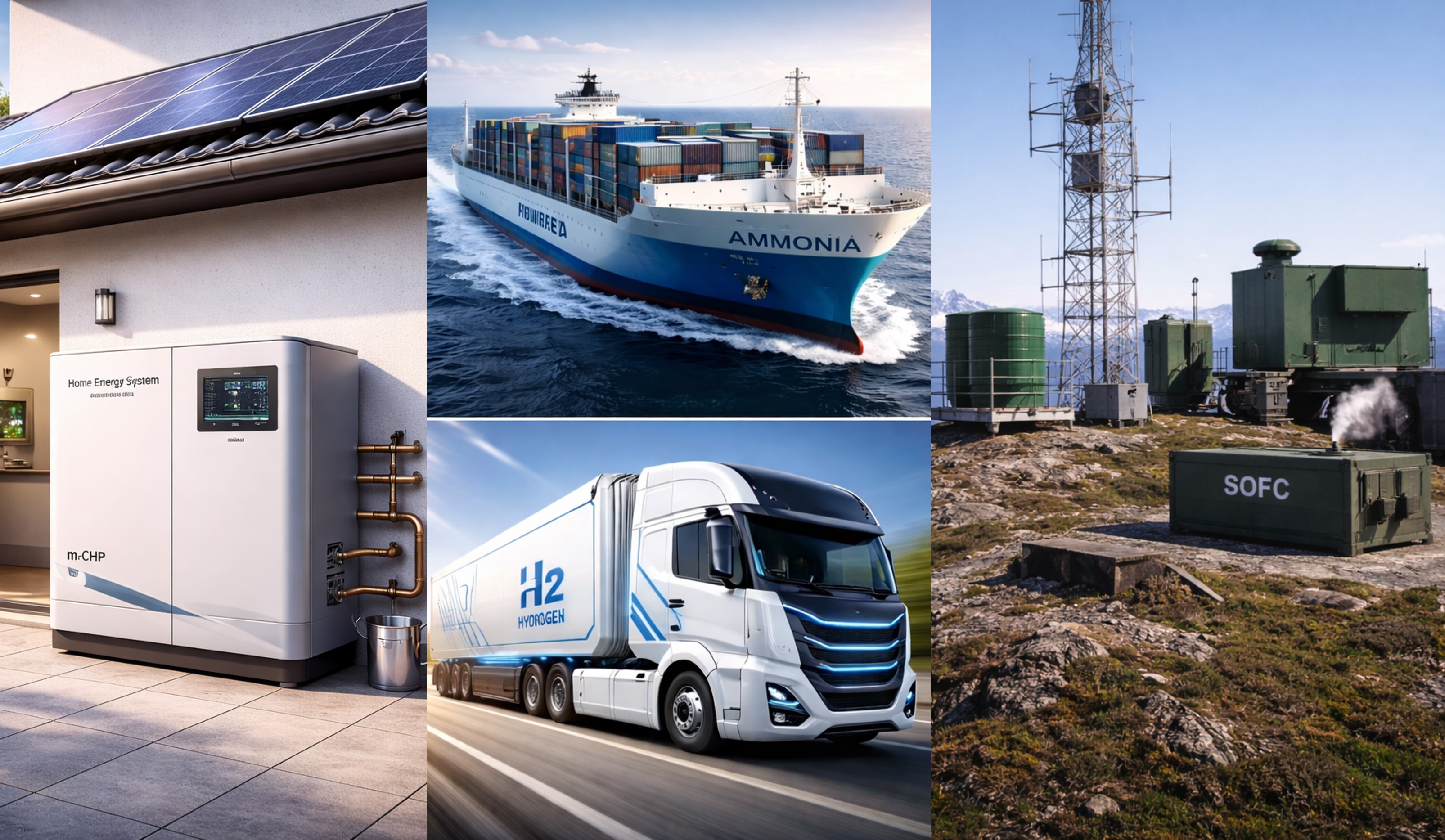
VoltaCera’s SOFC technology converts hydrogen and hydrocarbon fuels directly into electricity with high efficiency and low emissions.
Built on the same ESC platform, our cells offer reliable long-term operation for distributed power applications.
Applications
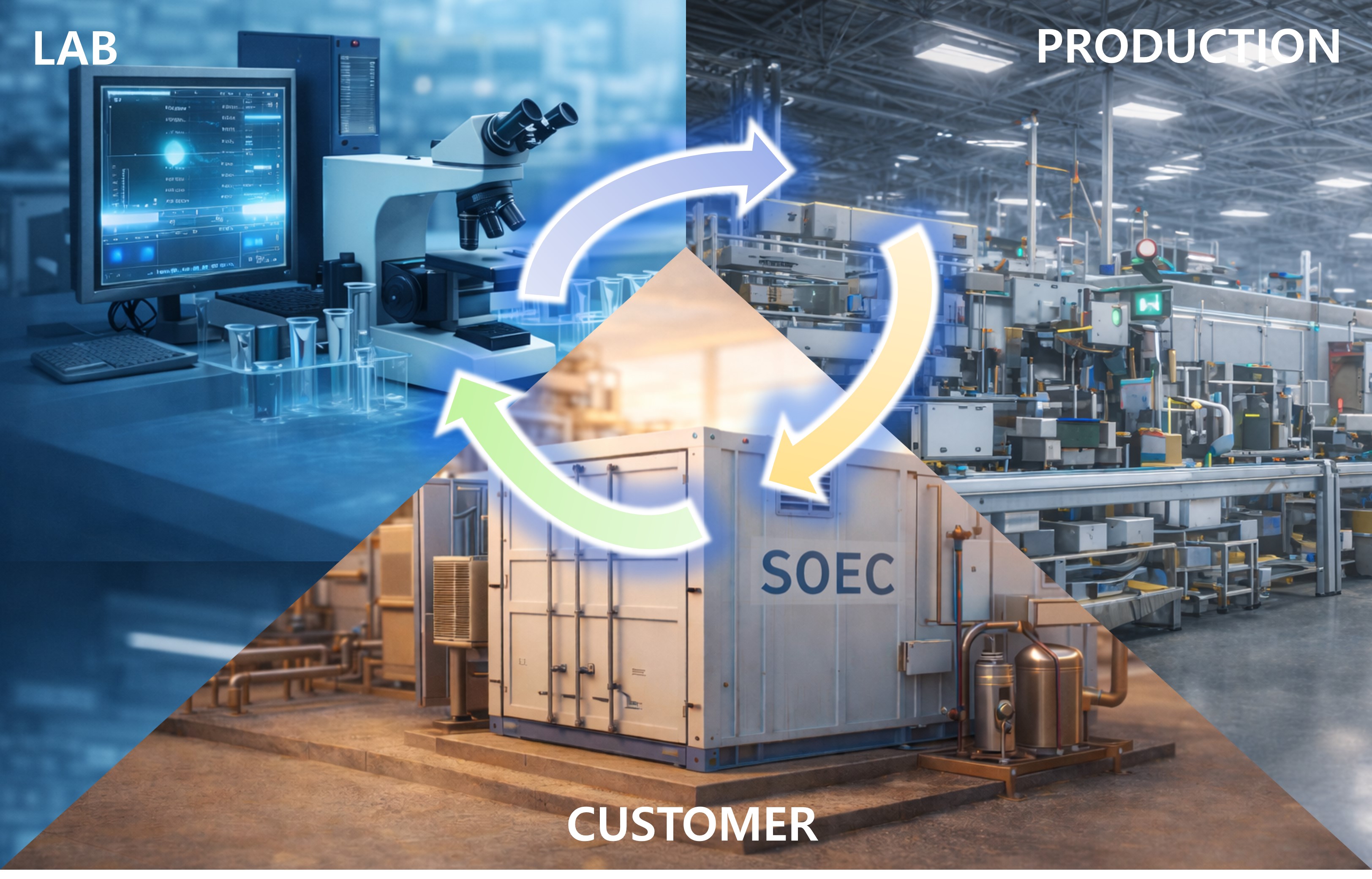
Our technology is developed with a strong focus on real-world deployment and manufacturability.